
Found a nest in your dryer vent? Our page on bird nest removal from dryer vents has the price and what the visit involves.
Dryer vents are small, warm, enclosed spaces perfect for birds to build nests. That cozy warmth that we love in winter makes vents inviting for birds. Unfortunately, when birds use a dryer vent for nesting, they bring twigs, grass, and feathers into your ductwork – often damaging the vent lining and blocking airflow. In this Morristown home we serviced, a bird’s nest packed the entire vent pipe, cutting off airflow almost completely. Nesting birds can chew through flimsy flex-hose vents or pull plastic lining apart as they add material, creating holes and gaps in the vent. Over time this damage can let cold air, bugs and even more pests into the duct, all while shrinking your dryer’s airflow. The result? a fire hazard and a halt to dryer usage. (Indeed, dry twigs and lint can ignite easily when mixed with the vent’s hot ) Our team sees real cases like this, homeowners have found twigs and eggs in their vents – a clear sign of trouble.
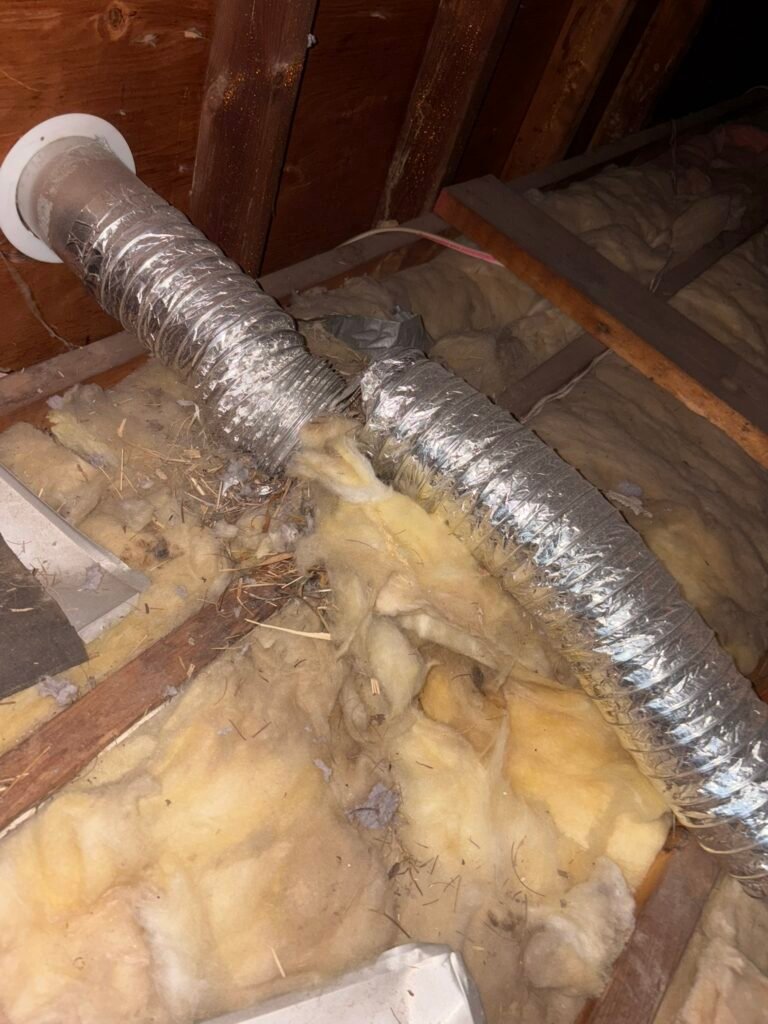
Why Birds Nest in Dryer Vents
Birds naturally look for protected cavities to raise their young. A dryer vent – especially in winter or during rain – is just that: a sheltered nook warmed by escaping laundry heat. Species like starlings, sparrows, and pigeons have been known to sneak into vents on home exteriors. Once inside, they build messy nests of sticks and leaves. For homeowners, this seemingly small problem has big consequences: blocked airflow and constant moisture can lead to mold or even carbon monoxide buildup in gas dryers. In one recent Morristown job, our inspection found the vent clogged with a bird’s nest so large it nearly spanned the entire length of the duct, forcing the dryer to overheat on every cycle.
Dangers and Damage from Nesting Birds
When birds nest in your dryer vent, the risks multiply:
Fire Hazard: Birds use dry, combustible materials (twigs, leaves, paper) to build nests, and these can easily catch fire from hot air or stray sparks in the vent. Lint from the dryer mixes with nesting debris, creating a tinderbox. Several dryer vent cleaning experts warn that a blocked vent dramatically raises fire risk.
Blocked Airflow & Efficiency Loss: A clogged vent forces your dryer to run longer and hotter. Bird nests cut off airflow, making the dryer overheat and work overtime. This drives up your energy bills and causes wear on the machine. We’ve seen almost all dryers with instances of any blockage take nearly twice as long to dry loads.
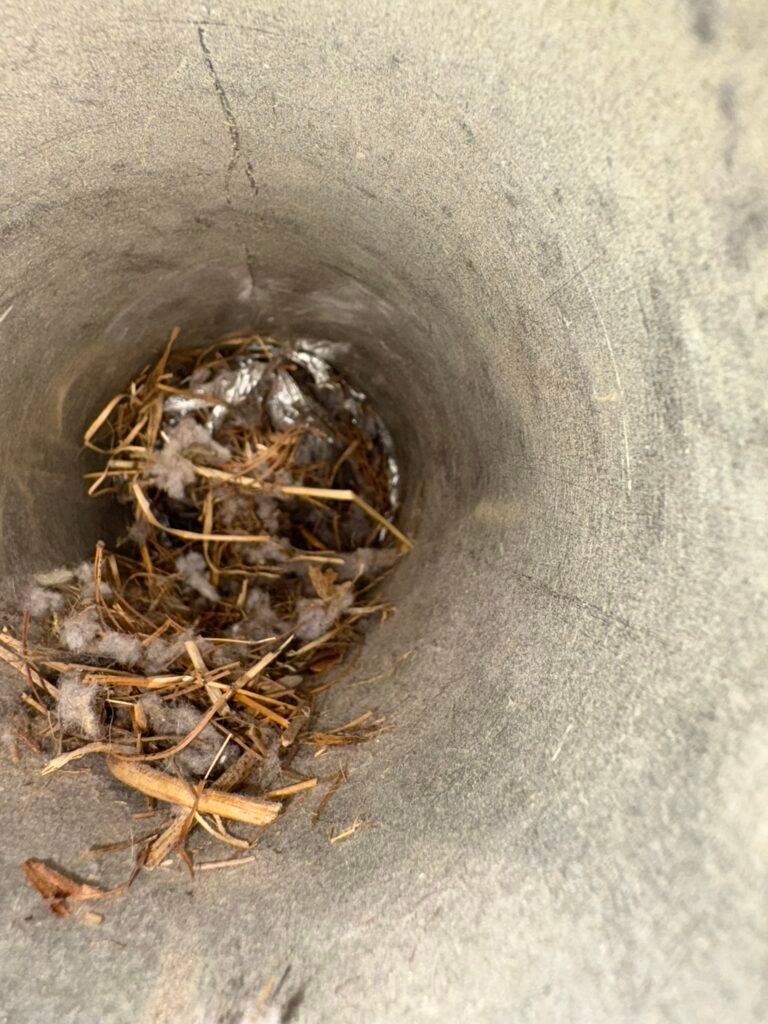
Physical Damage & Costly Repairs: As birds scratch and nest-build, they often tear at the vent lining or even break vent covers. Wildlife pros report that nests can cause cracks, warped duct sections, or detached vent covers, forcing expensive repairs. Regular maintenance saves you money: ignoring lint or bird debris “can lead to costly problems” later.
Health Risks: Bird nests carry mites, bacteria and droppings. Trutech Wildlife notes that humid, decaying nests in vents can harbor histoplasmosis and other pathogens. When your dryer blows air, it could circulate these germs and allergens indoors, causing allergies or illness. In one study, homeowners noticed itching and odors from contaminated vents.
Other Pests: A nest is like a welcome sign for pests. Mice, rats or insects may be attracted to the nest materials or the entry point, compounding the problem. A vent nests often lead to further infestations – a secondary problem that means even more cleanup and repairs
Don’t wait until you find chicks in your laundry room. If you’ve noticed any signs of bird activity in your vent, or if it’s been a while since a professional inspection, give your dryer vent some TLC now. A clean, well-sealed vent means peace of mind – and no birdies on the lint filter.
Sources: Information from wildlife control specialists on bird nesting hazards trutechinc
What bird nest removal costs and how the visit goes
Removing a bird nest or other item from a dryer vent is a flat $100, added to the price of your cleaning package. It is the one thing that can raise the price of a cleaning, and it is listed with our other prices on the dryer vent cleaning prices page.
On the visit, the technician checks the whole vent with a camera and an airflow test, so the nest is found and not guessed at. You see what is in the line, and you hear the price before anything is touched. The nest has to come out before the line can be cleaned. After that we check the outside cap, and we can repair a worn hood or fit a proper damper and screen.
We guarantee confirmed scheduling within 24 hours, and we text you when the technician is on the way. The full details are on our page on bird nest removal from dryer vents.
Bird nest in a dryer vent: common questions
What should I do if there is a bird nest in my dryer vent?
Book a bird nest removal. A technician locates the nest with a camera, shows you what is in the line and gives you the price before touching it. Federal law (the Migratory Bird Treaty Act) requires authorization from the U.S. Fish and Wildlife Service to destroy a nest that holds viable eggs or nestlings, while European starlings and house sparrows, two common vent nesters, are not protected by the Act.
Is a bird nest in a dryer vent a fire hazard?
It can be. A nest blocks the exhaust, so lint and hot air have nowhere to go, and the U.S. Fire Administration lists failure to clean as the leading factor in home dryer fires.
How is a bird nest removed from a dryer vent?
A nest can lodge inside the outside termination, and getting it out can mean opening or partly taking apart the hood. It has to come out before the line can be cleaned, and the job is $100 on top of the cleaning package.
How do you keep birds out of a dryer vent afterward?
The fix is at the outside cap. We repair or replace a worn cap, fit a proper damper flap and add a screen that keeps out birds and rodents.
Need help with this at your house? See our bird nest removal from dryer vents.
More dryer vent guides: which dryer transition duct to use, whether your dryer vent is causing a ceiling leak and dryer vent questions and answers.
Last updated
Get Started Today
Dryer overdue for a cleaning? Let’s get it handled.
Honest quotes agreed before any work starts · Serving all of Morris County, NJ
8:00 AM to 8:00 PM, seven days a week